The Infinite Power Source Unveiled
Go Solar
Go Green
Lower electric bills. Lock in energy costs. Local certified installers.





CCCM LLC
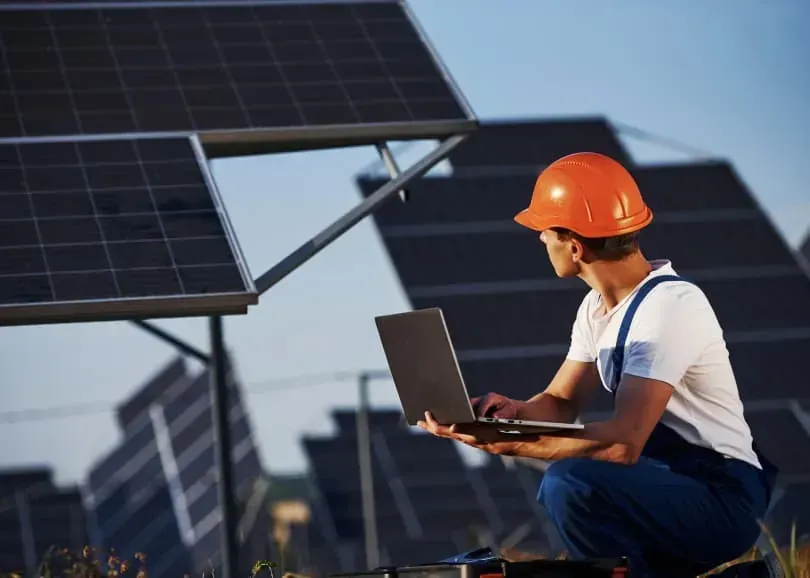
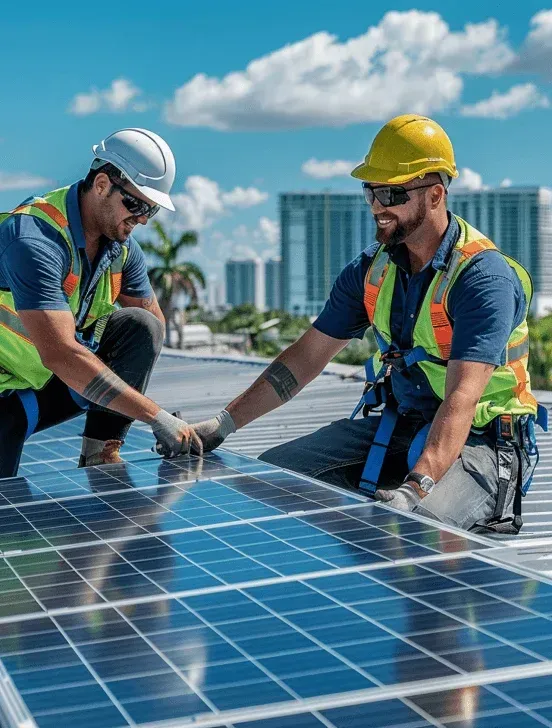
Consumer Consumption Consultant Management - Harness the power of the sun with advanced solar energy technology. Learn about the latest innovations in solar panel efficiency, installation, and maintenance from certified experts in the field.
Control – You produce your own electricity instead of relying entirely on the utility company and their rate increases.
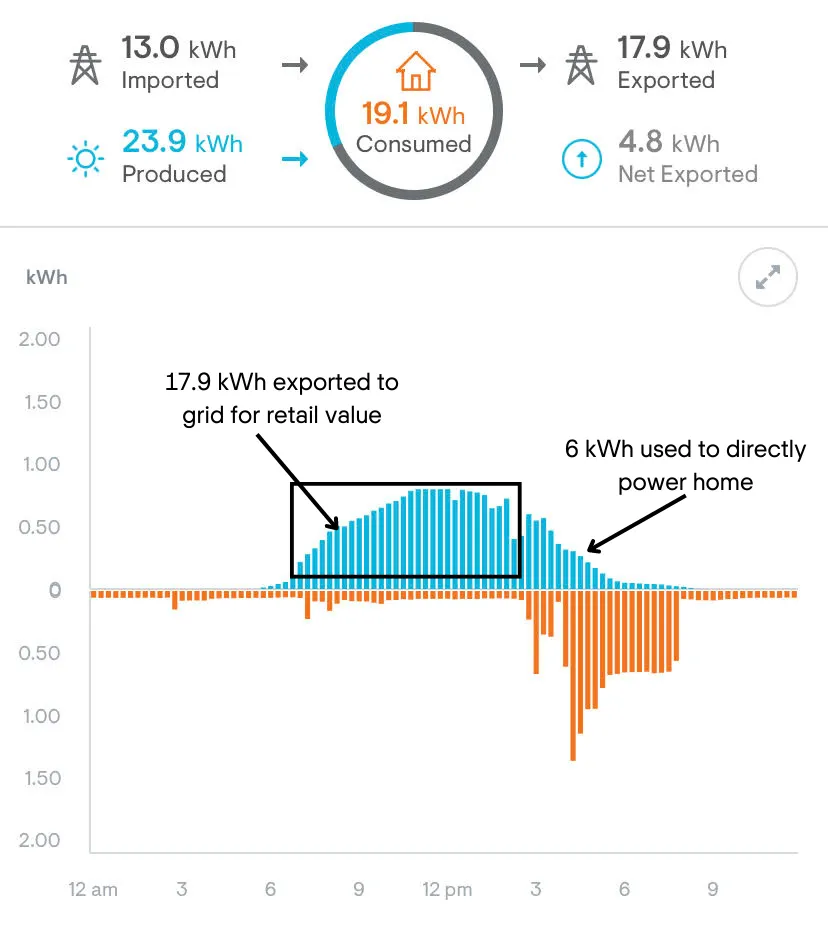
Predictable Energy Costs – Solar helps lock in a stable energy cost, protecting you from rising utility bills year after year.
Long-Term Savings– Over time, homeowners typically pay less for power compared to continuing to rent energy from the utility.
Home Value & Ownership – Solar can increase home value and turns your electricity into an asset rather than a monthly expense.
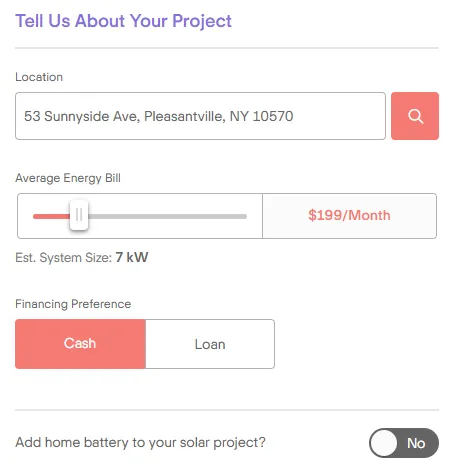
Find Out How Much You Can Save
Local Proofs

Frequently Asked Questions
1. What is solar energy?
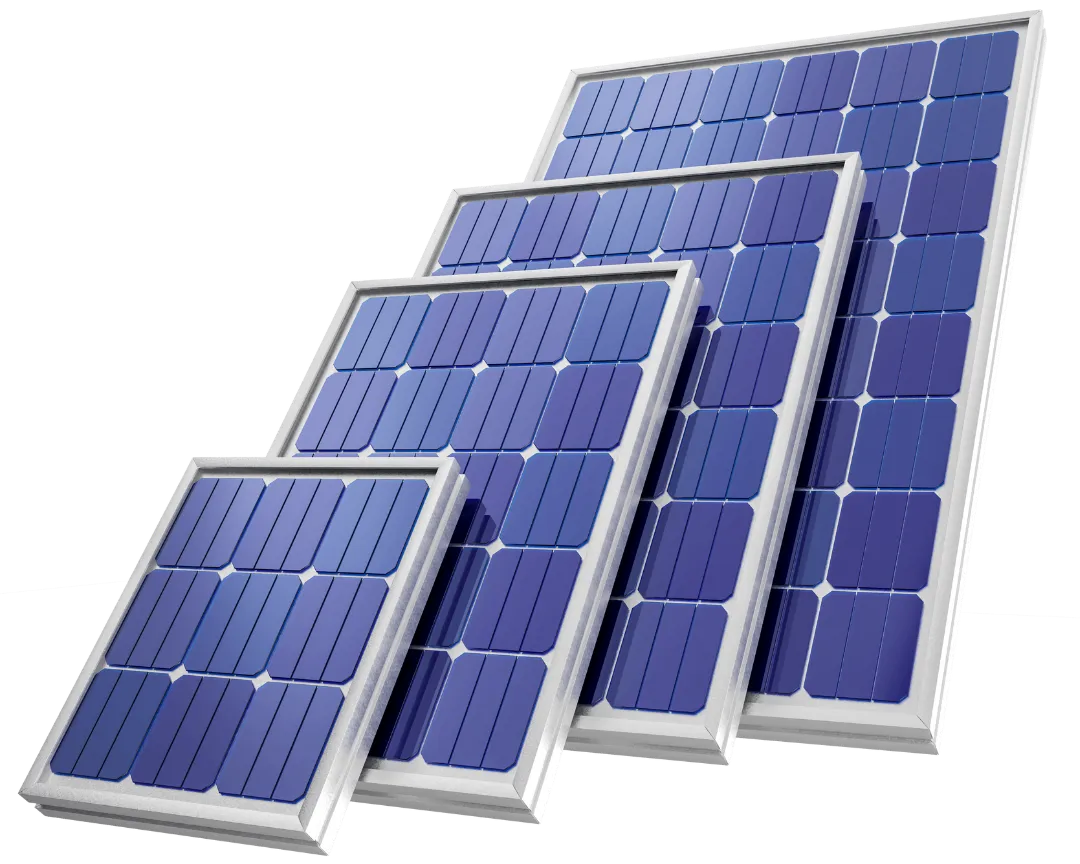
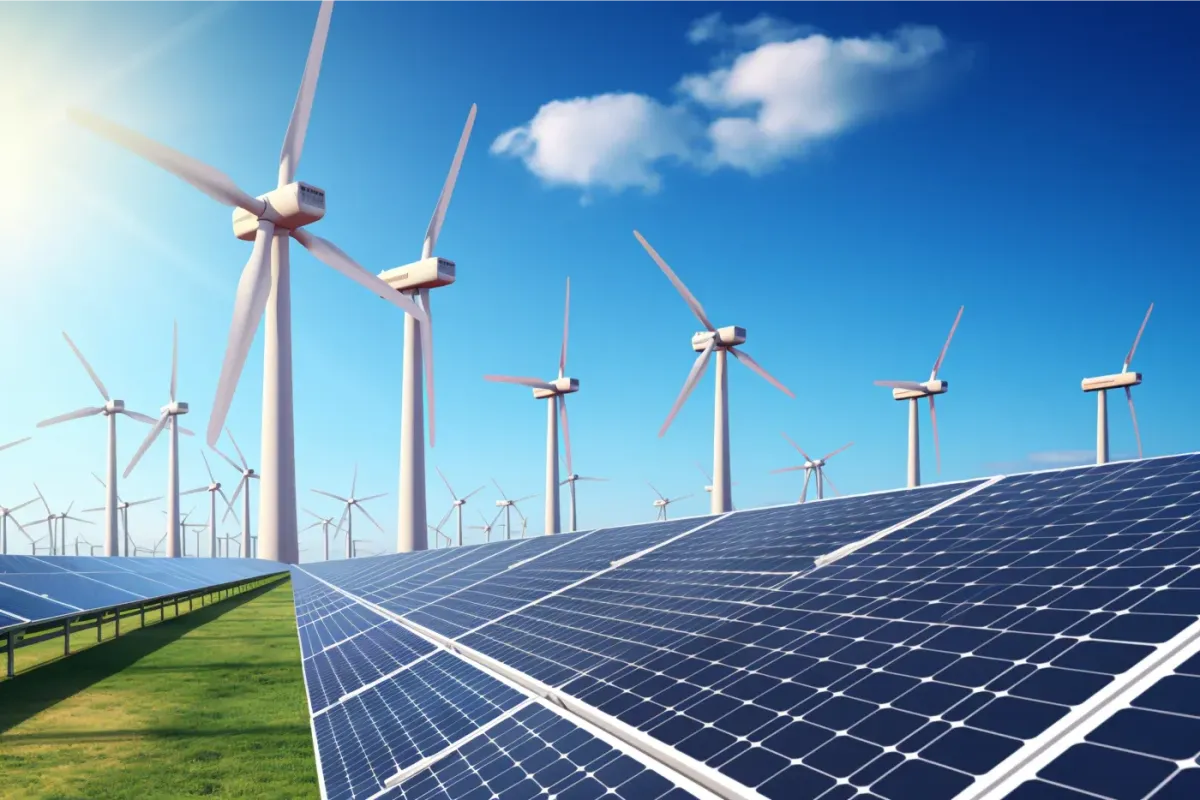
Solar energy is the energy harnessed from the sun’s rays using solar panels or other solar technologies. This renewable energy source can be used to generate electricity or heat, offering an environmentally-friendly alternative to fossil fuels.
2. How do solar panels work?
Solar panels convert sunlight into electricity through photovoltaic cells. These cells capture sunlight and generate an electric current, which is then converted into usable energy for homes or businesses.
3. Is solar energy expensive to install?
The initial cost of installing solar panels can be significant, but it varies depending on factors like location, system size, and installation complexity. However, incentives, tax credits, and long-term savings on electricity bills can make solar energy a cost-effective option over time.
4. Can solar panels work on cloudy or rainy days?
Yes, solar panels can still generate electricity on cloudy or rainy days, although at a lower efficiency compared to full sunlight. Solar energy systems are designed to harness available sunlight, even in less-than-ideal weather conditions.
5. How long do solar panels last?
Most solar panels have a lifespan of 25 to 30 years. After this period, they still produce energy, but their efficiency may gradually decline. Regular maintenance and monitoring can help ensure the longevity and optimal performance of the system.
Testimonials

"Switching to solar energy was the best decision I’ve made for my home. Not only have my electricity bills dropped significantly, but I also feel good knowing I’m reducing my carbon footprint. The installation process was seamless, and I’m thrilled with the results!"
Elly M.


"As a small business owner, I was looking for ways to cut costs, and solar energy has been a game-changer. The return on investment has been faster than I expected, and I love that we’re contributing to a more sustainable future while saving money."
John D.
"Solar energy is the future, and I’m proud to be part of the movement. My home’s energy efficiency has improved drastically, and knowing that I’m reducing my impact on the planet feels incredibly rewarding. Solar power has truly transformed how we use energy."
Sarah l.
Find Out What’s Waiting for You!
Get In Touch
Hours:
Mon – Sat 9:00am – 8:00pm
Sunday – CLOSED
Contact Us
Phone: +31 74918343
Email: [email protected]
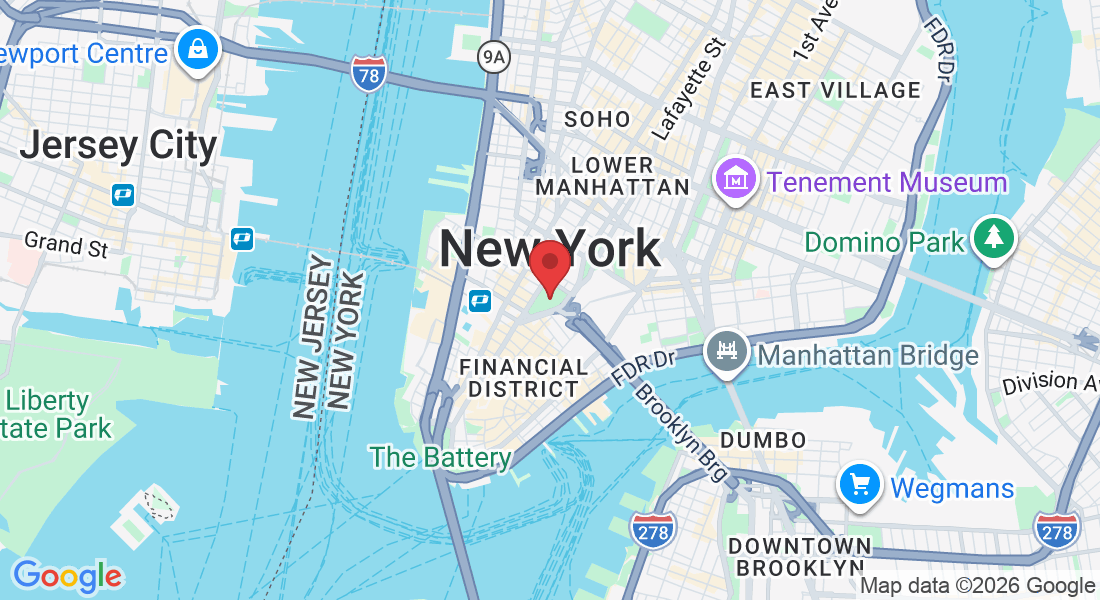
Address: 13456 creektree lane, Fishers Indiana 46038
Phone: +31 74918343
Email: [email protected]
Site: